Antelope Canyon Tours Compared: What Each Section is Really Like


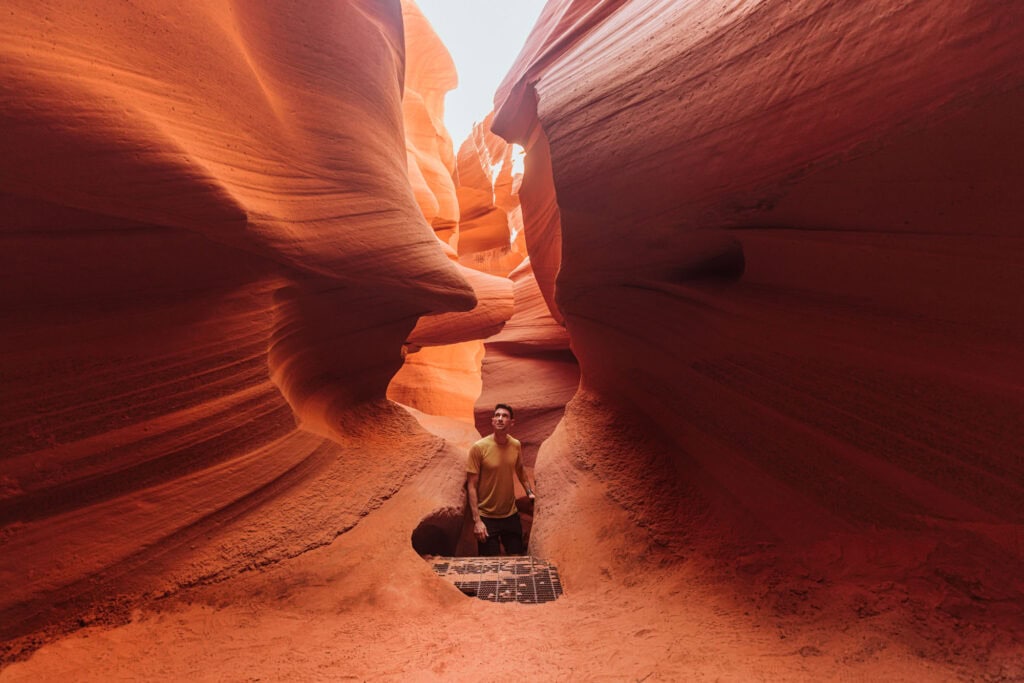
Antelope Canyon draws approximately 3 million visitors each year to marvel at its mesmerizing narrow passageways and swirling sandstone formations. This world-famous slot canyon near Page, Arizona, offers multiple ways to experience its beauty, from easy walking tours to adventurous rappelling experiences. As experts in Arizona tours, we’re here to help you discover which section of Antelope Canyon is right for you.
Key Info on Visiting Antelope Canyon
Antelope Canyon is essentially a desert wash system that flows through the Navajo Nation into Lake Powell.
Keep in Mind:
- You cannot visit any portion of Antelope Canyon on your own.
- The Navajo Nation controls access to the entire canyon system.
- Guided tours are mandatory for all sections.
- The canyon entrances are located just a few miles outside Page, Arizona.
- Drive time from both Phoenix and Las Vegas is about 4.5 hours.
Booking an Antelope Canyon Tour
I usually use Viator or GetYourGuide to book tours of Antelope Canyon (and other sites around the world).
Where to Stay by Antelope Canyon
Page, AZ, is home to a growing list of hotel and rental options.
You can use this interactive map to check rates for your dates. It searches Hotels.com, Booking, Expedia, and VRBO:
1. Upper Antelope Canyon
Best For: Families with young children, seniors, and those seeking easy accessibility (no ladders).
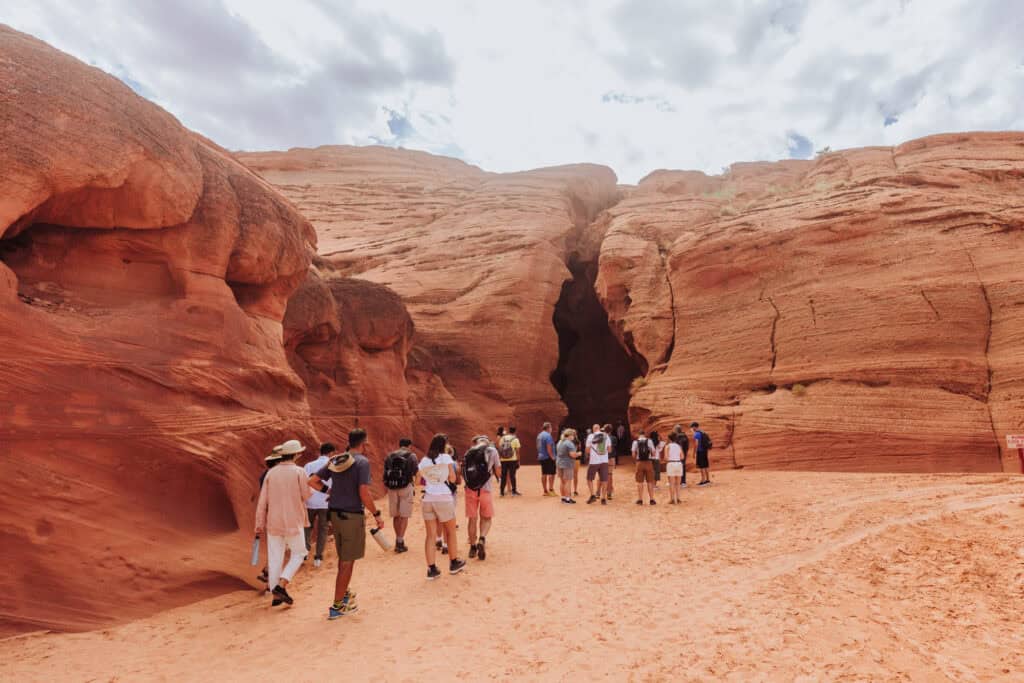
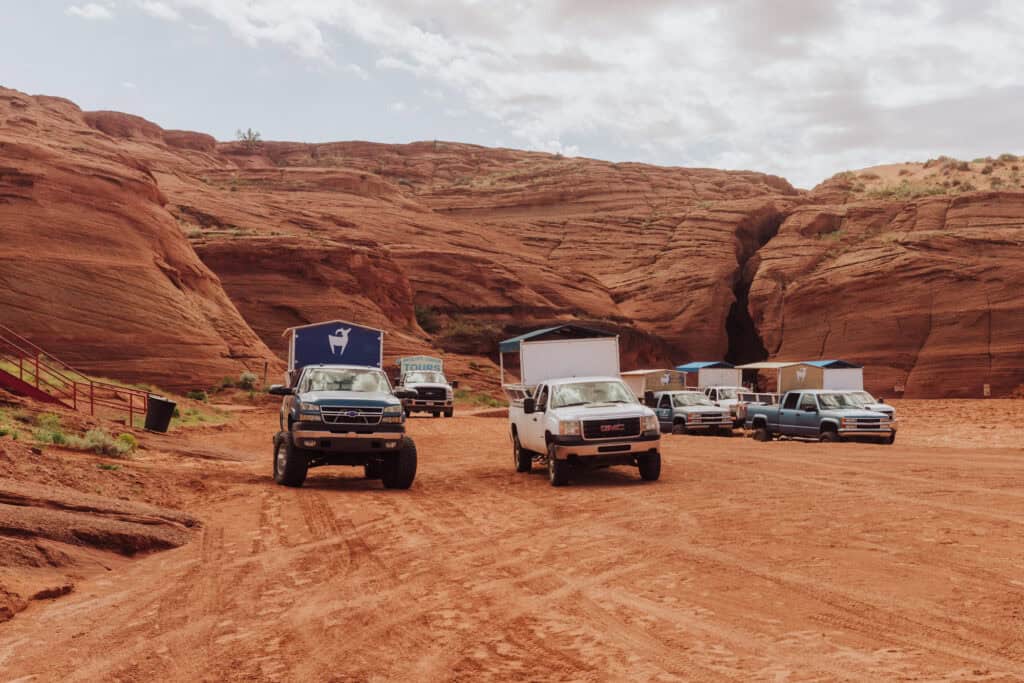
Upper Antelope tours typically begin at a parking lot in Page, where you’ll board a bus or jeep for a scenic 20-minute ride to the canyon entrance.
What to Expect
- Duration: 30-40 minutes inside the canyon
- Walking Distance: Approximately three-quarters of a mile
- Difficulty: Easy – entirely flat walking with no ladders
- Access: Walk directly into the canyon entrance at ground level.
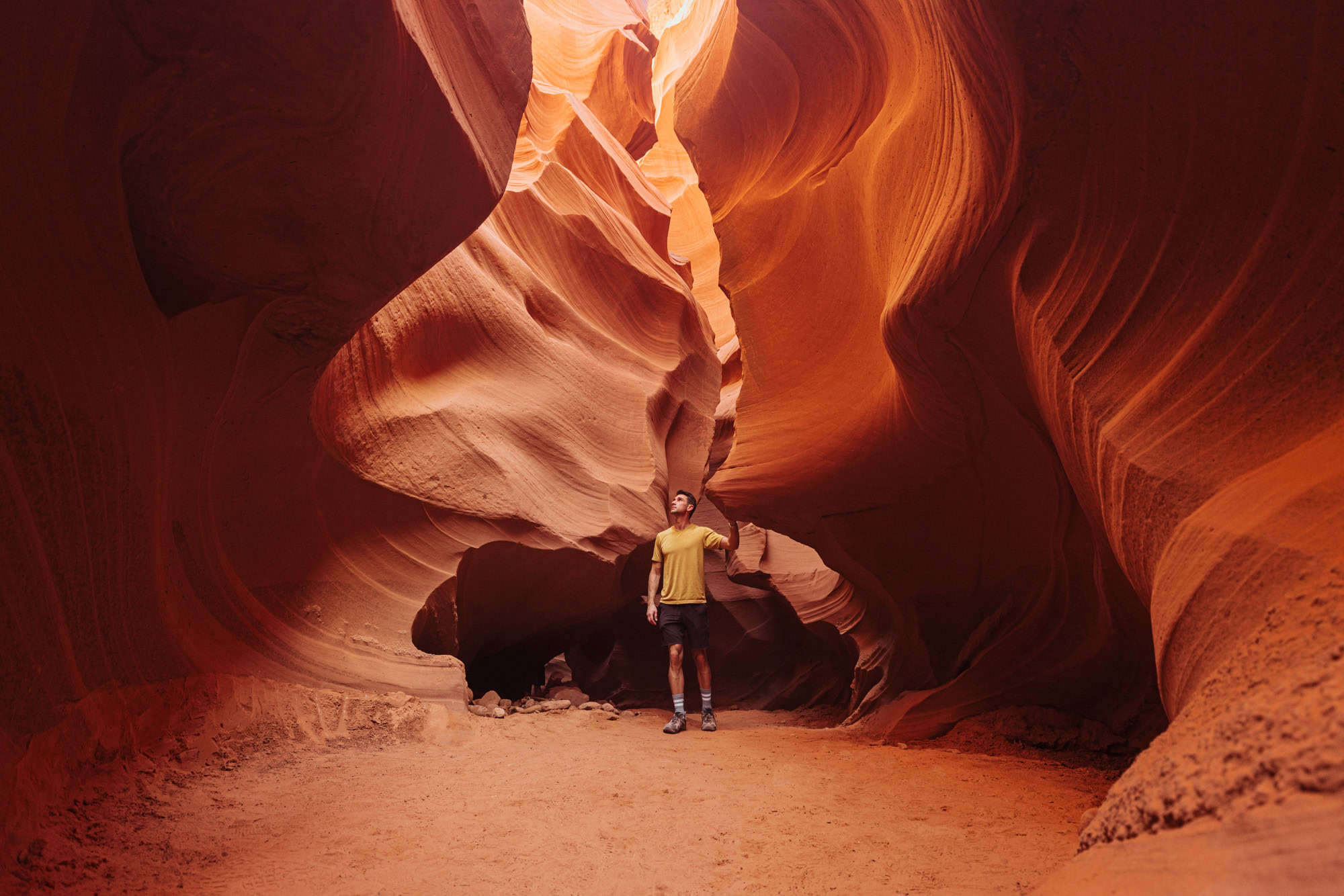
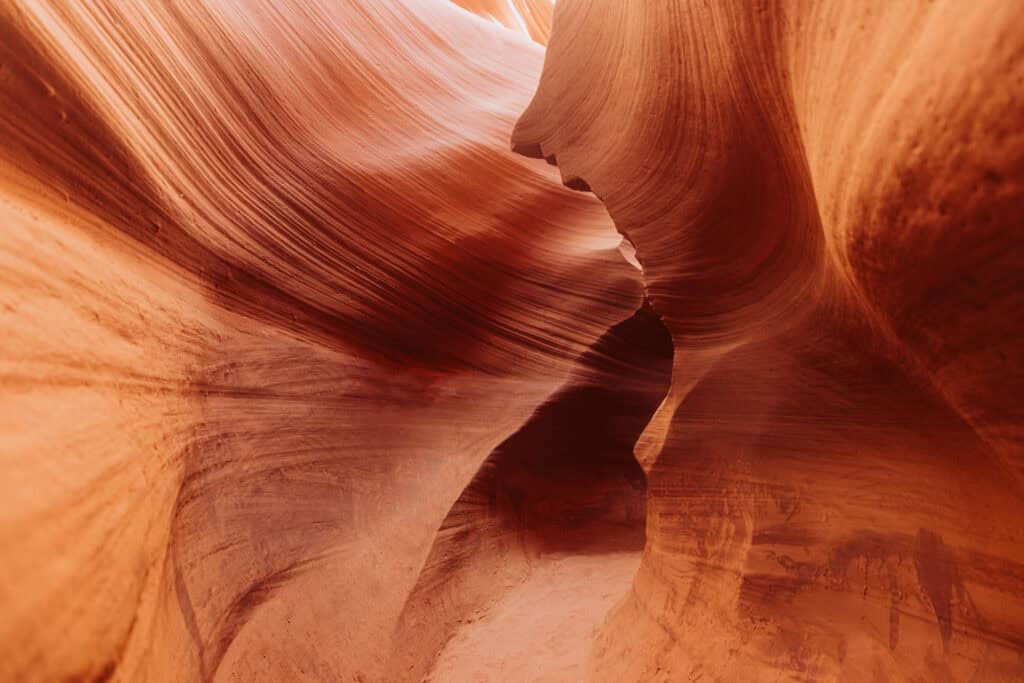
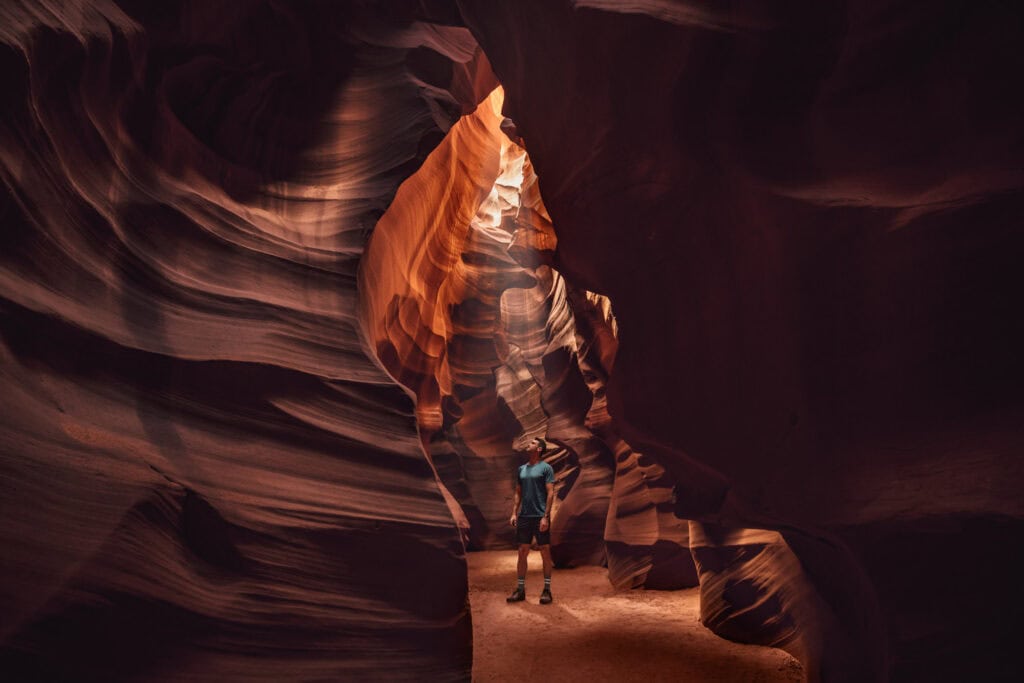
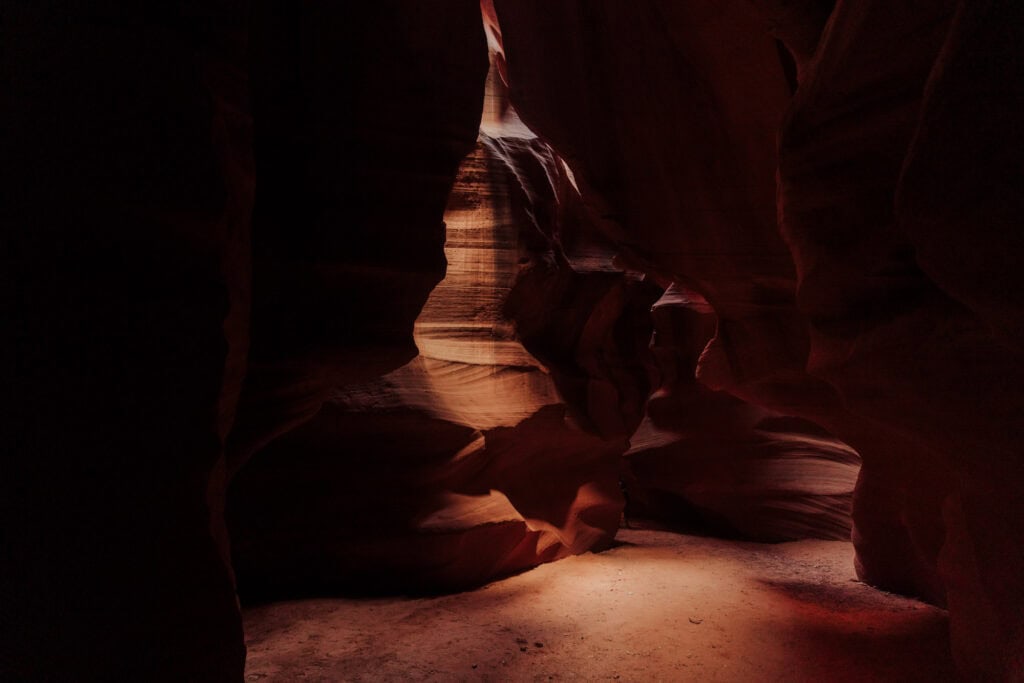
The A-shaped structure of Upper Antelope creates a darker, moodier atmosphere inside.
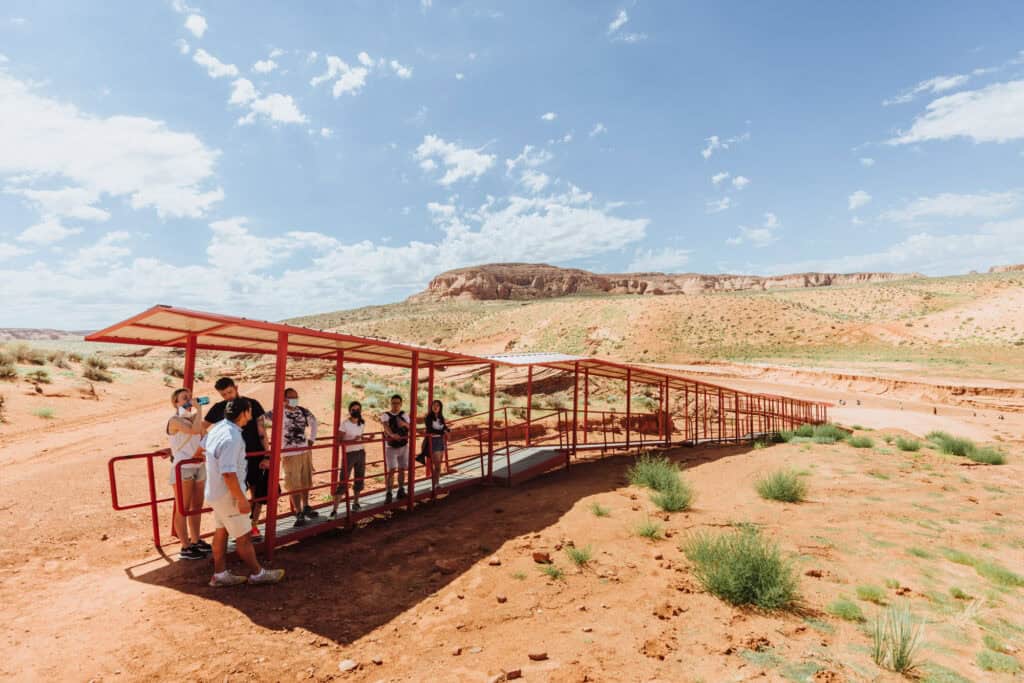
While the flat terrain makes it accessible for almost everyone, visitors should note: there are steps and a ramp to navigate when returning to the vehicles after the tour. Seniors with mobility concerns can backtrack through the canyon rather than completing the loop.
Photography Notes
Photography and videography are permitted, though tripods and professional photography equipment are not allowed on standard tours. The guides are experienced photographers who can help you capture the best shots and know exactly where the light hits at different times of day.
The Reality of Popularity
Upper Antelope has become increasingly commercialized, with seven tour companies now operating here. This has resulted in shorter tour times (around 30 minutes) and more crowded conditions.
Still, Upper Antelope remains a favorite, thanks to the breathtaking beauty and the guides who enhance the experience with their expertise.
2. Lower Antelope Canyon
Best For: More active travelers, parents with babies (in backpacks), and those seeking the brightest orange sandstone walls.
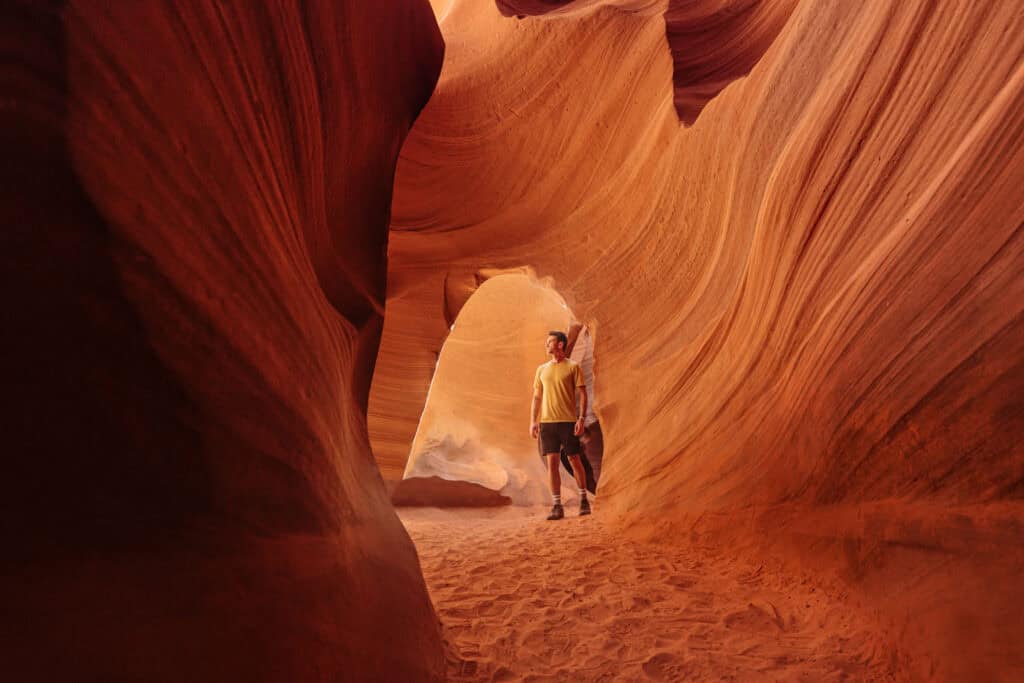
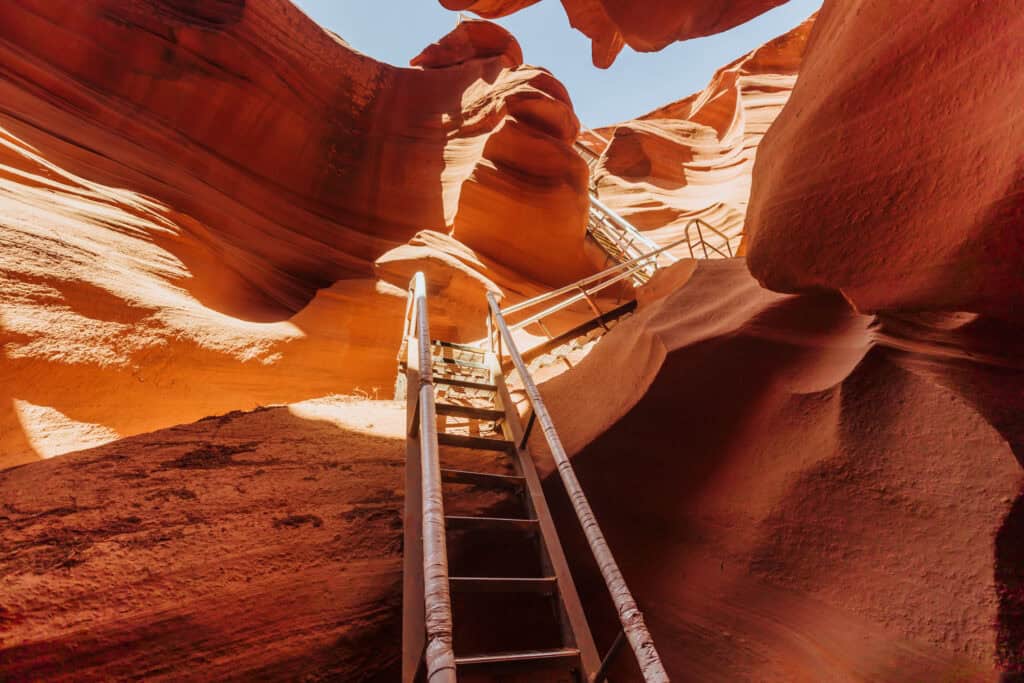
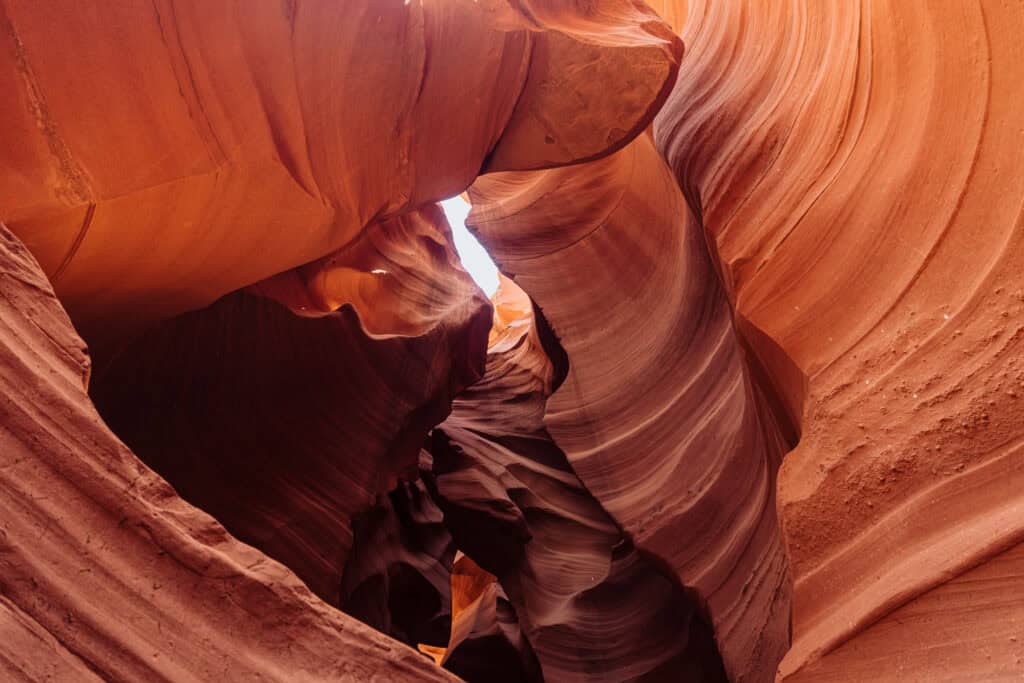
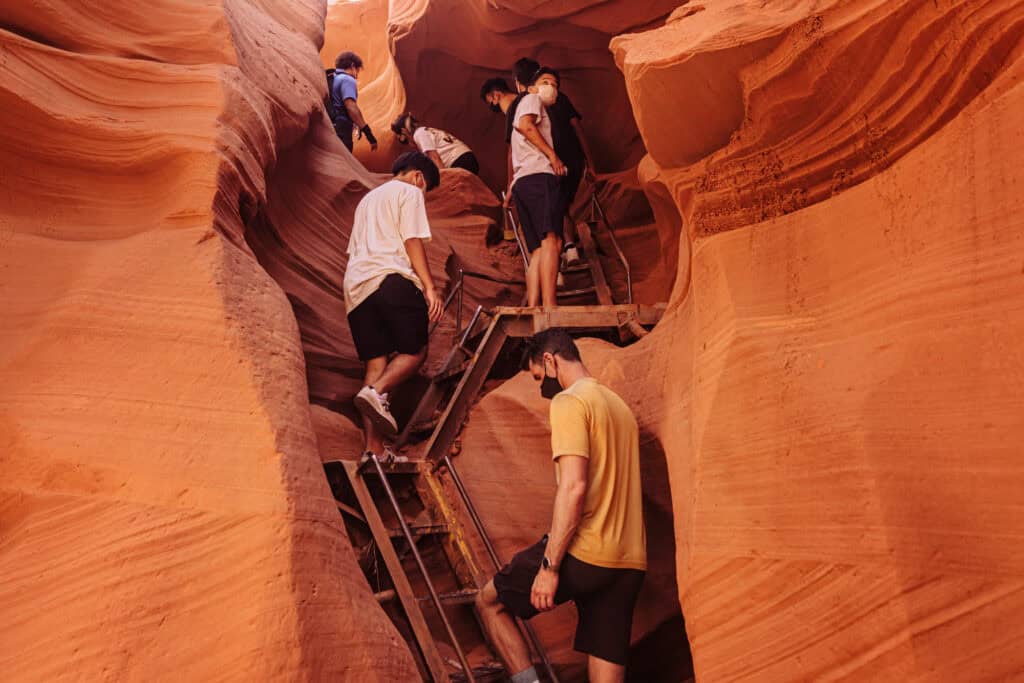
Lower Antelope Canyon offers a more adventurous experience, with ladders involved and stunning visuals in the slot canyon. After driving and parking outside Page, you’ll walk to the canyon entrance and immediately begin your descent.
What to Expect
- Duration: Approximately 1 hour
- Distance: About one mile
- Difficulty: Moderate – requires climbing multiple ladders and navigating narrow passages
- Shape: V-shaped, allowing more sunlight and brighter orange hues
Important Restrictions
No videos allowed!
This rule is strictly enforced. Tour operators have been known to require visitors to delete videos from their phones.
Photography is permitted, but tripods and selfie sticks are prohibited.
Physical Requirements
Right from the start, you’ll descend a steep staircase and ladder into the canyon. Throughout the tour, expect to navigate several more ladders, narrow passageways, and stairs. While safe and manageable for most visitors, this makes Lower Antelope less suitable for seniors with mobility issues, people uncomfortable with heights, or very young children.
Babies are welcome if carried in hiking backpacks.
Tour Structure
Tours are capped at 15 people and run continuously throughout the day. Two companies operate Lower Antelope tours: Dixie’s and Ken’s Tours. They’re siblings from the same family, offering identical experiences.
Lower Antelope tends to be more crowded but less expensive than Upper Antelope, making it popular with budget-conscious travelers who don’t mind the physical challenge.
3. Antelope Canyon X
Best For: Photography enthusiasts, those seeking fewer crowds, more budget-conscious travelers, and visitors wanting more time in the canyon
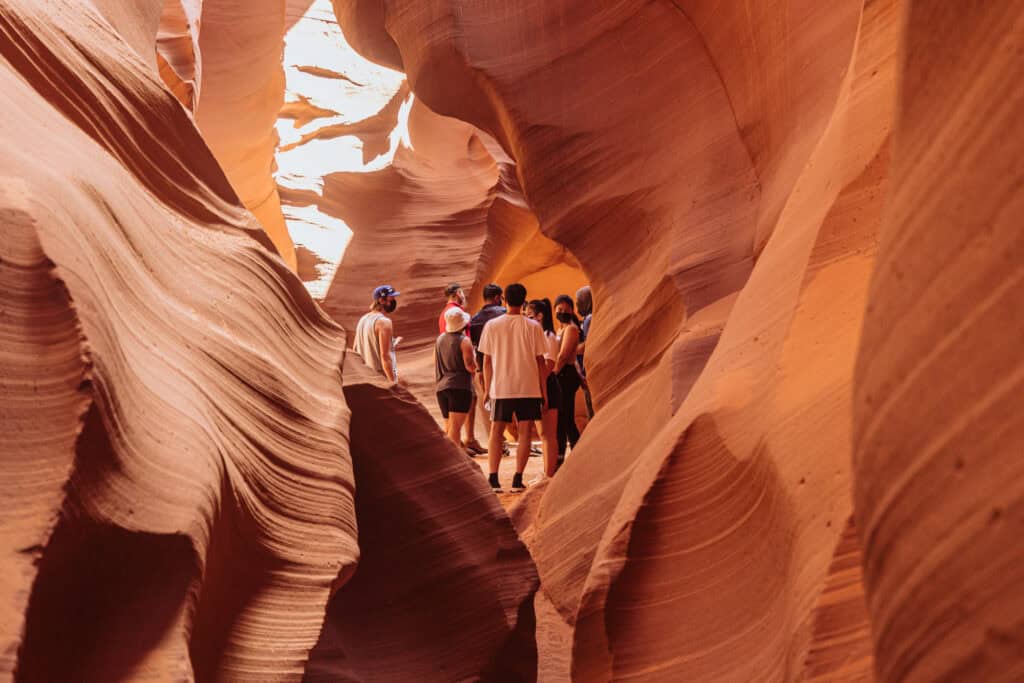
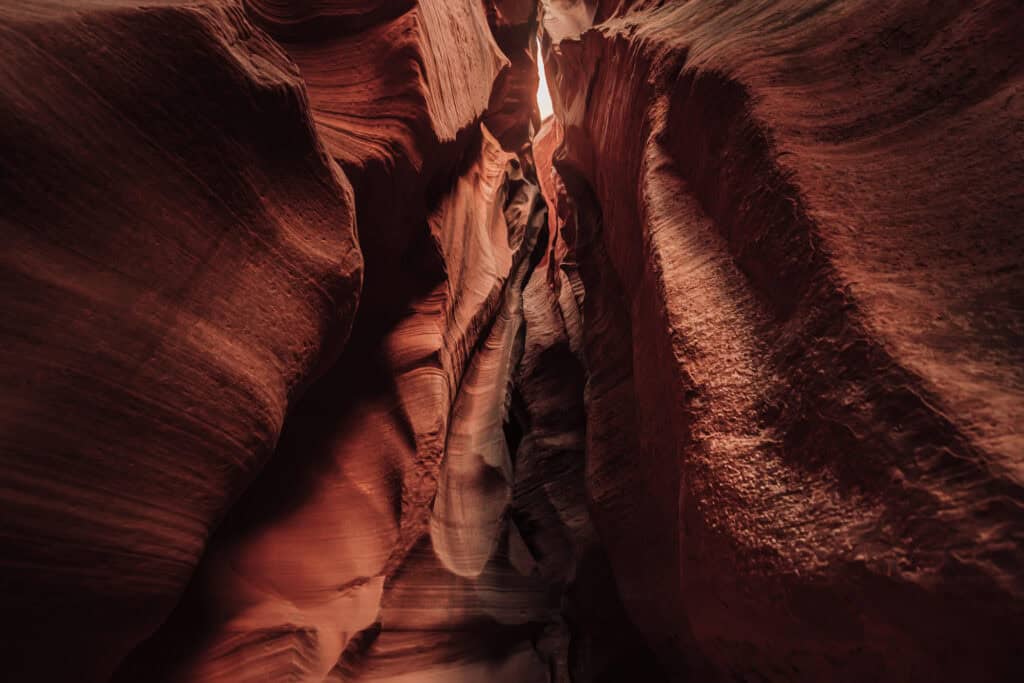
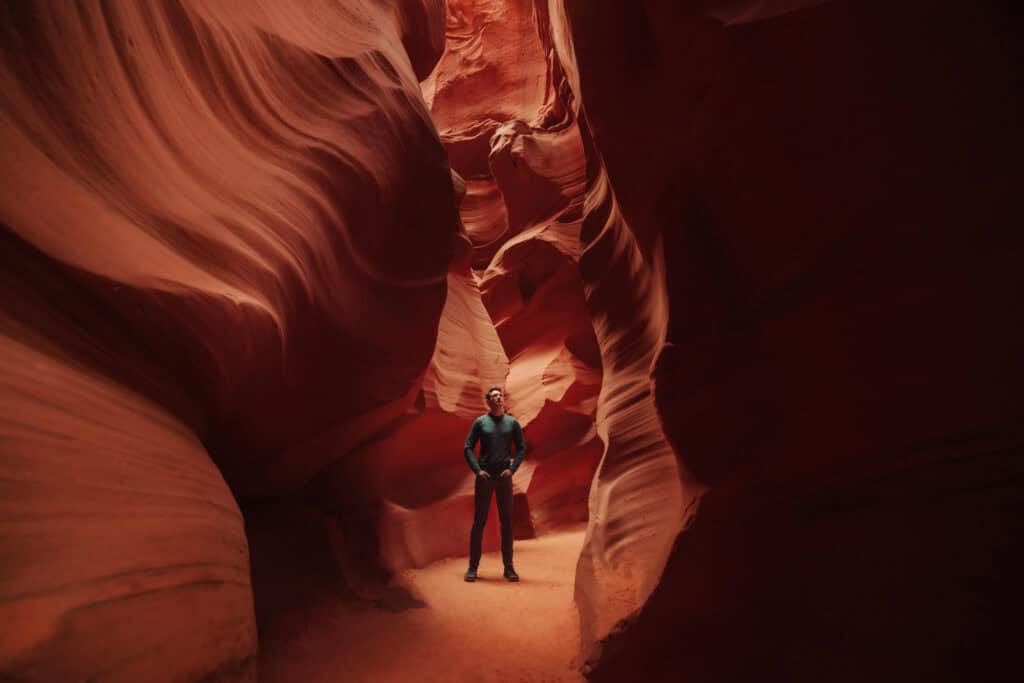
Canyon X has become our top recommendation for many visitors, offering an excellent balance of accessibility, time, and crowd control.
What to Expect
- Duration: 90 minutes, which is significantly longer than Upper or Lower
- Crowd Size: Smaller groups for a more intimate experience
- Lower cost, compared to Upper & Lower Antelope
- Access: 200-foot staircase but no ladders, suitable for all ages
- The option of a longer photography tour
Photography Tours
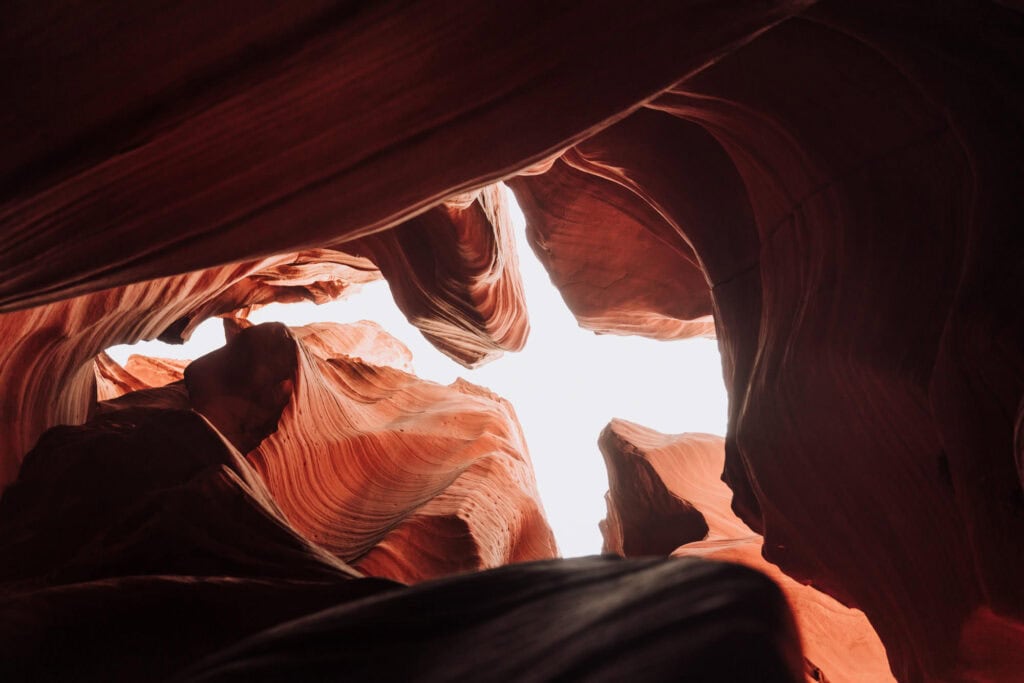
Canyon X is one of the few sections still offering dedicated photography tours. These special tours last a full 3 hours and cost around $150, allowing photographers to wait for perfect lighting conditions.
The photography tours are most popular during the summer months when dramatic light beams appear at midday.
4. Cardiac Canyon
Best For: Serious photographers, meditation seekers, and those wanting a deep connection with the canyon and the Navajo people.
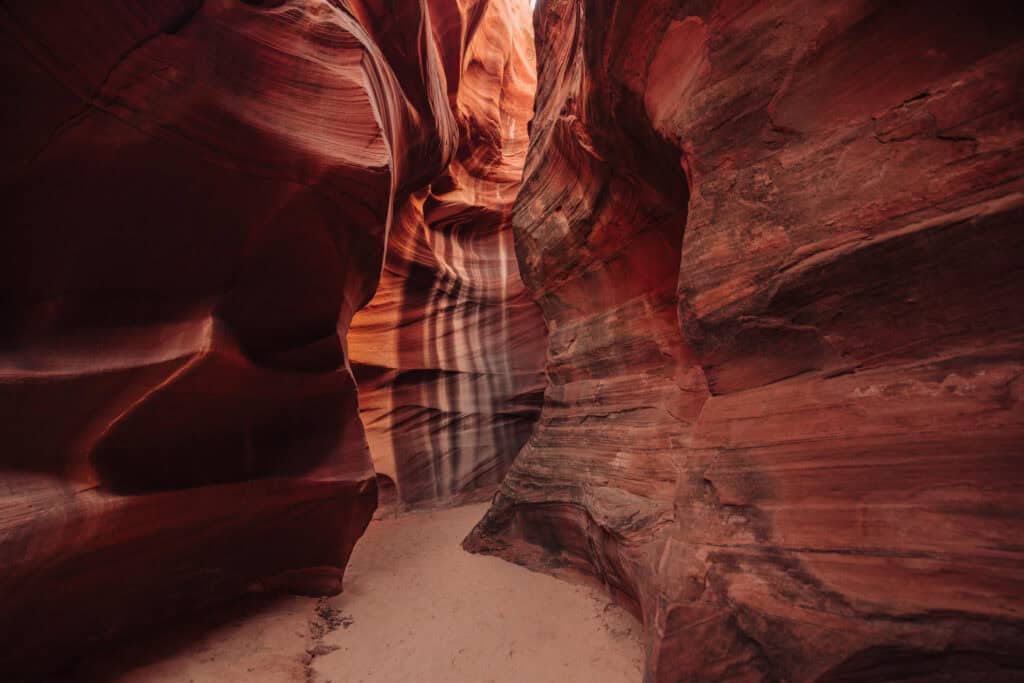
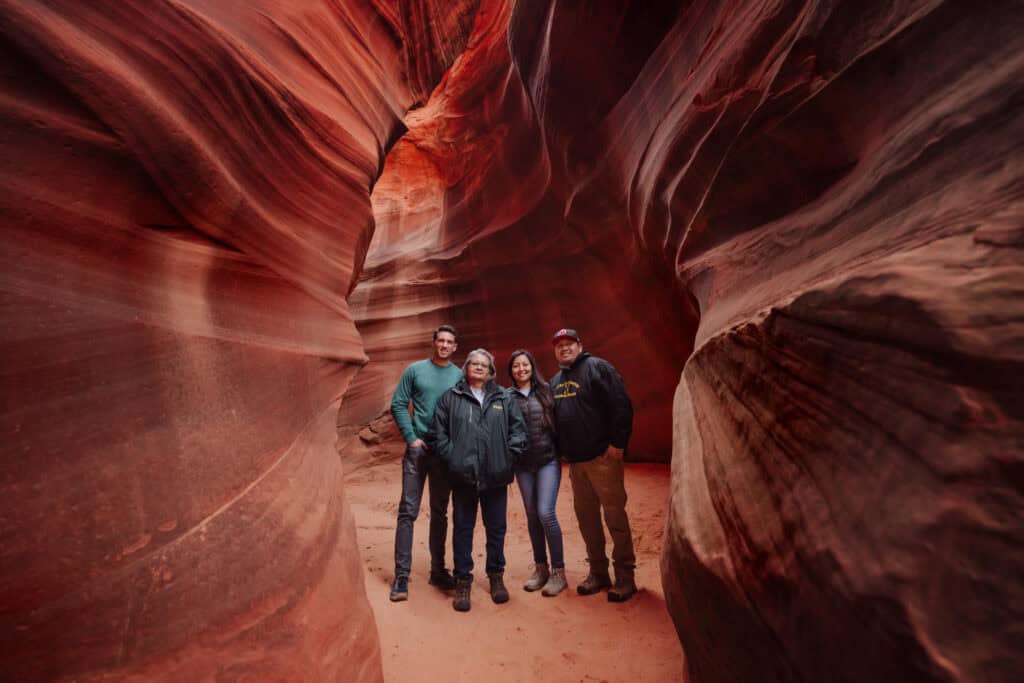
For the quietest, most peaceful, and immersive Antelope Canyon experience, Cardiac Canyon is unmatched. This section shares a parking lot with Canyon X, about 12 miles outside Page.
What to Expect
- Duration: 4-6 hours, depending on tour type
- Daily Visitors: Only a handful of people
- Cost: $200-$350 per person
- Guides: Two guides per tour: one cultural expert and one to assist with supplies
The Experience
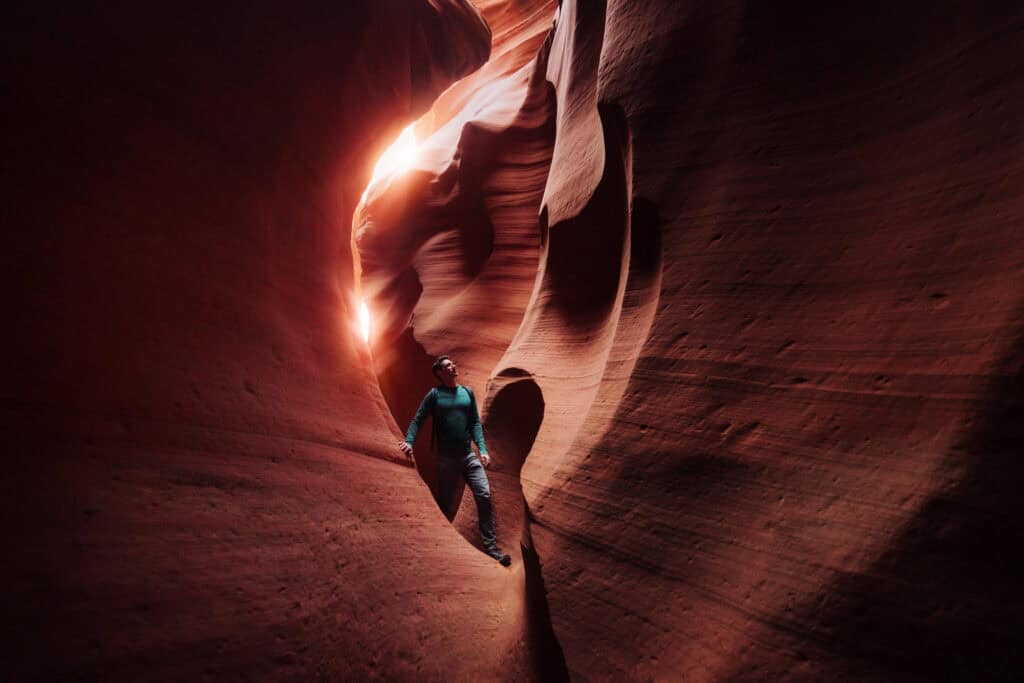
After a 7-mile ride from the parking lot, you’ll hike just over 2.5 miles through the canyon over several hours. This gives you ample solitary time in the canyon’s chambers for photography, yoga, meditation, reading, or simply sitting in silence.
Cultural Connection
The family operating Cardiac Canyon has deep ancestral ties to the area. Your cultural guide will share stories about how their ancestors used the canyon’s hiding spots to escape troops during forced relocation attempts.
Physical Requirements
You’ll need to be in decent physical shape to descend (and later ascend) the Cardiac Sand Dune Trail. The name “Cardiac” may refer to the canyon’s heart-like chambers …. OR … the cardiovascular workout you’ll get on the hike out!
5. Antelope Ridge Adventure Park
Best For: Adventure lovers, and visitors seeking the most active experience in a slot canyon.
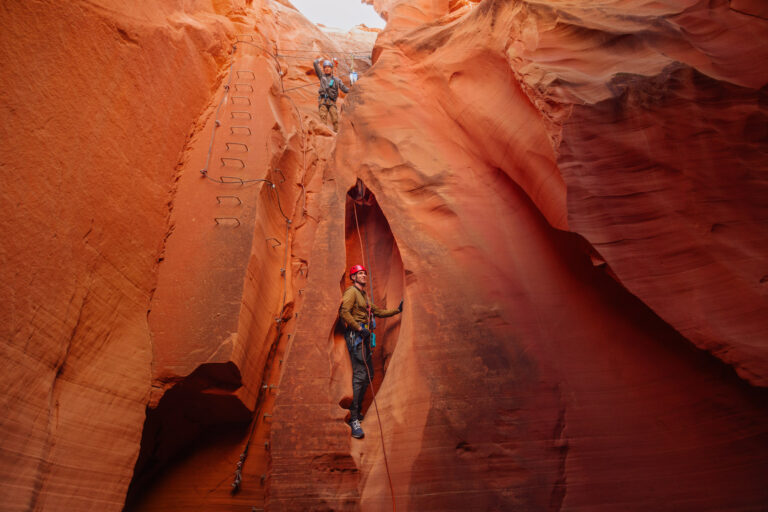
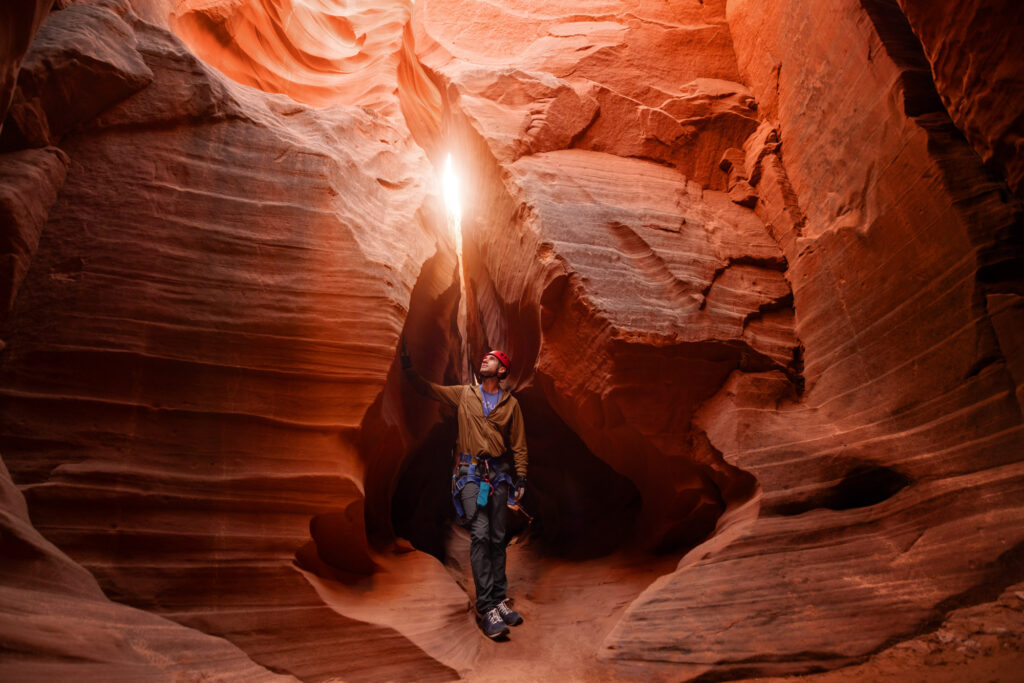
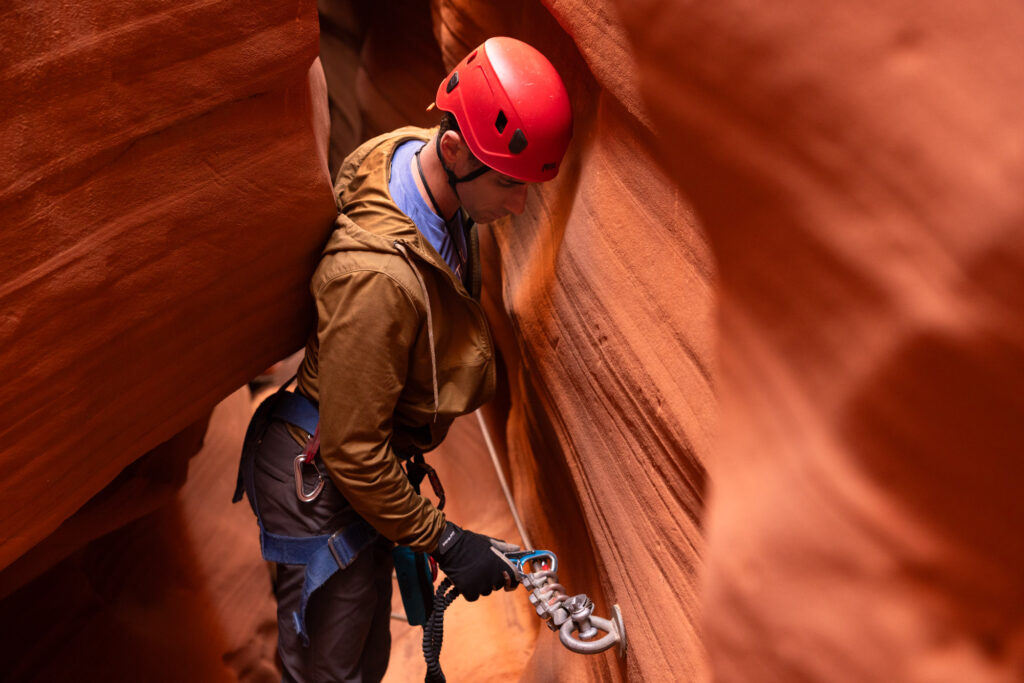
Antelope Ridge Adventure Park offers the most adventurous way to experience Antelope Canyon, combining climbing, rappelling, and hiking in one tour. There’s also a zipline over the canyon.
What to Expect
- Duration: About 2 hours
- Cost: Approximately $150
- Group Size: Limited to 8 people
- Experience Required: None! Full instruction and safety gear provided for first-timers
What You’ll Do
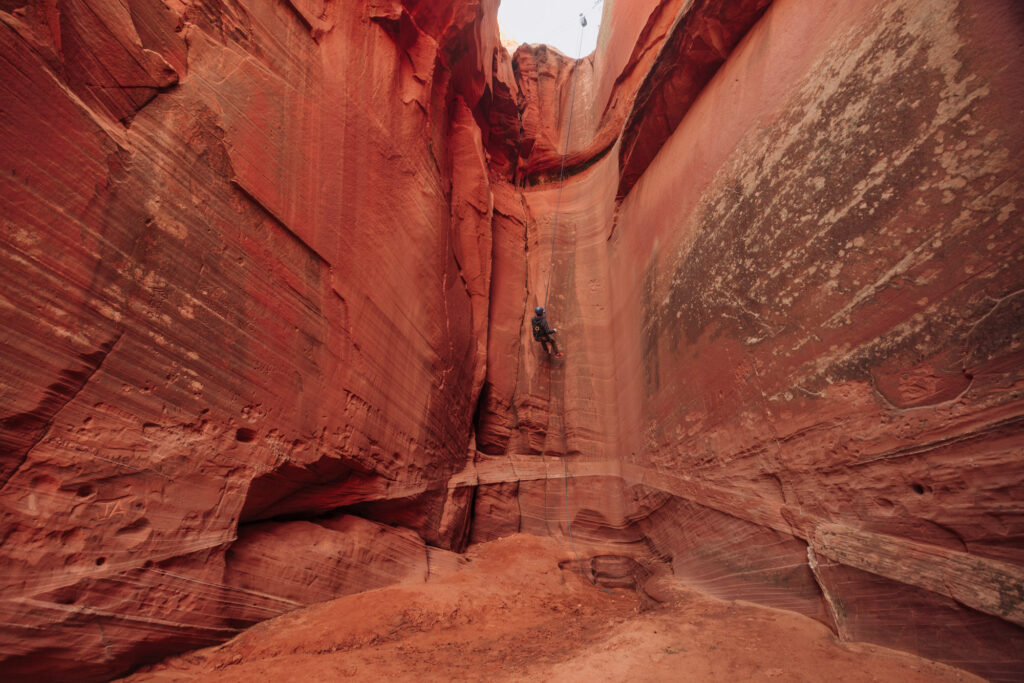
After a briefing, the tour includes three rappels into different canyon sections, with the tallest drop reaching about 70 feet.
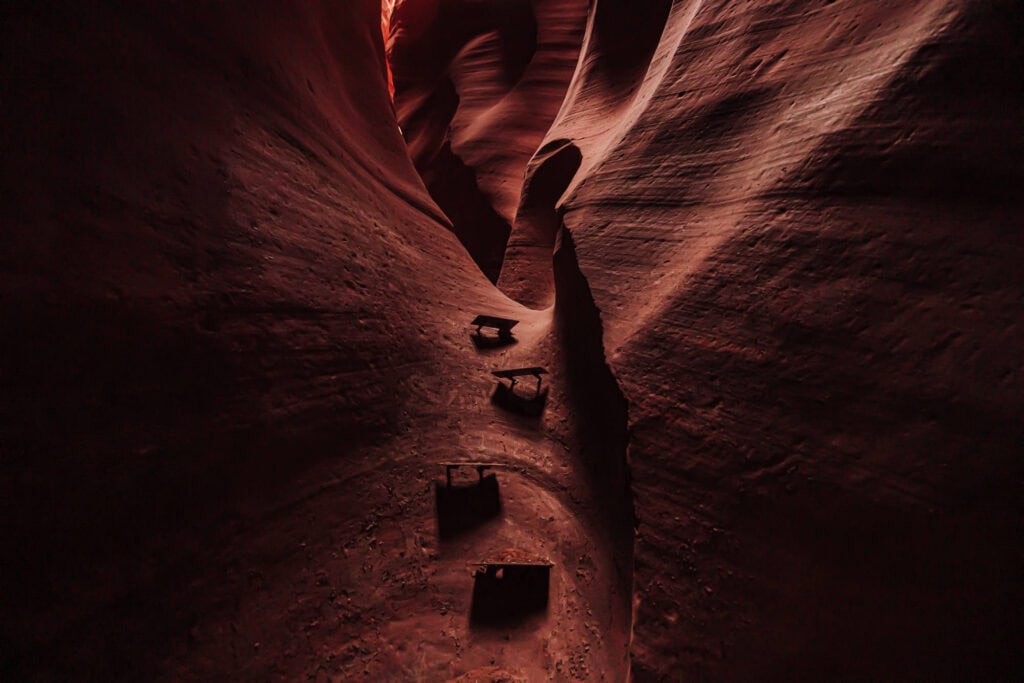
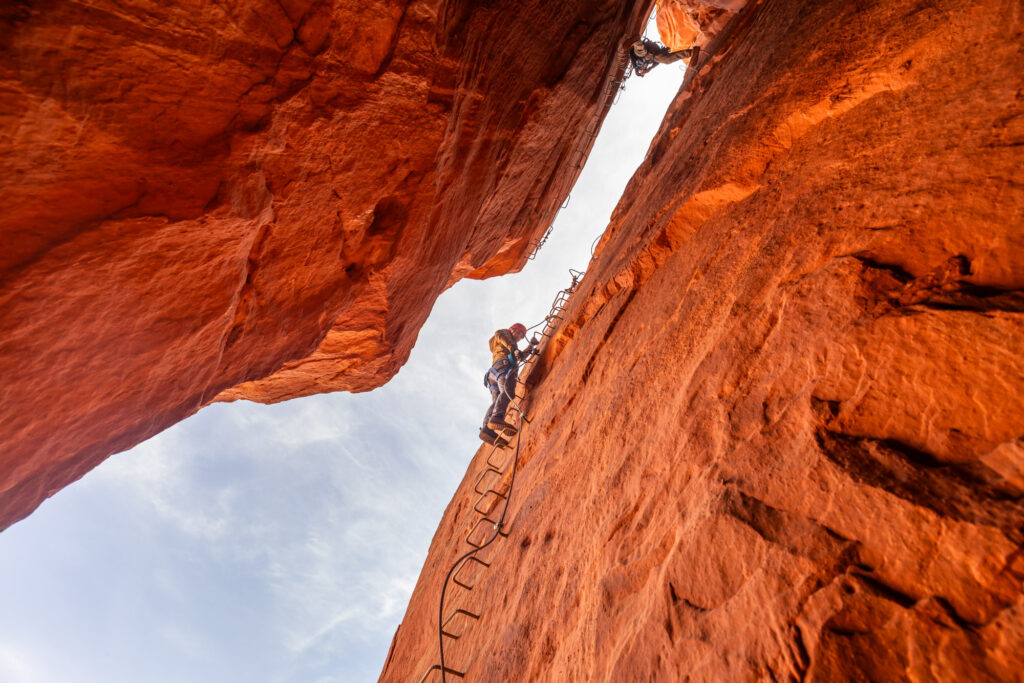
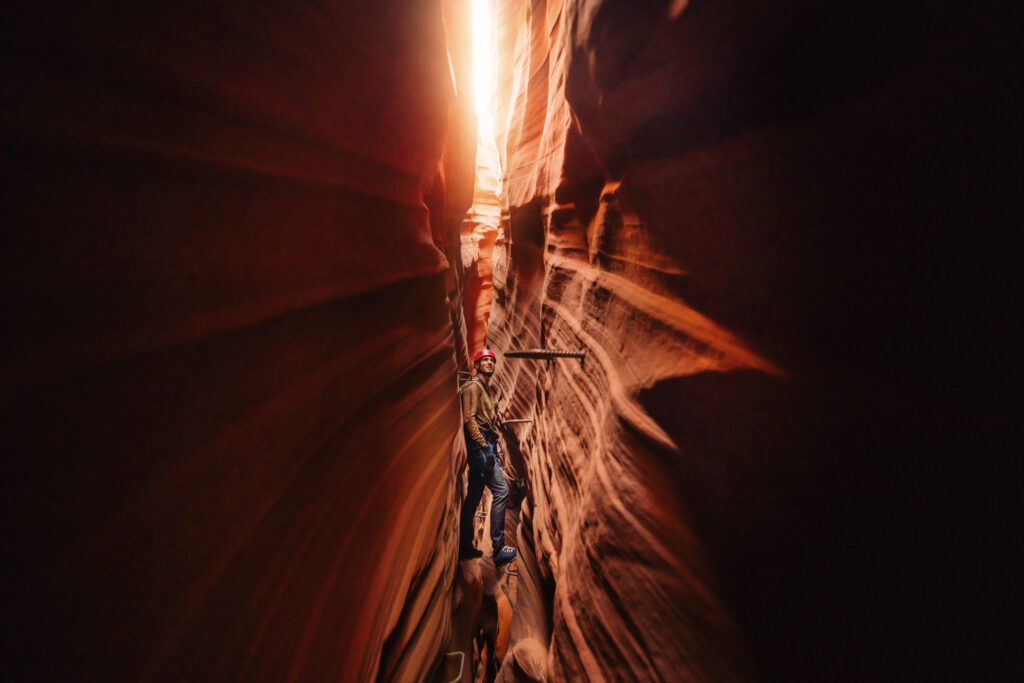
You’ll also experience a “via ferrata” (Italian for “iron path”). It’s basically a climbing route using metal rungs, ladders, and cables that sometimes suspend you well above the canyon floor. At other points, you’ll climb vertically up rebar rungs embedded in the canyon walls.
Photography Freedom
Unlike other sections, Antelope Ridge welcomes both photography and videography, allowing you to document your entire adventure.
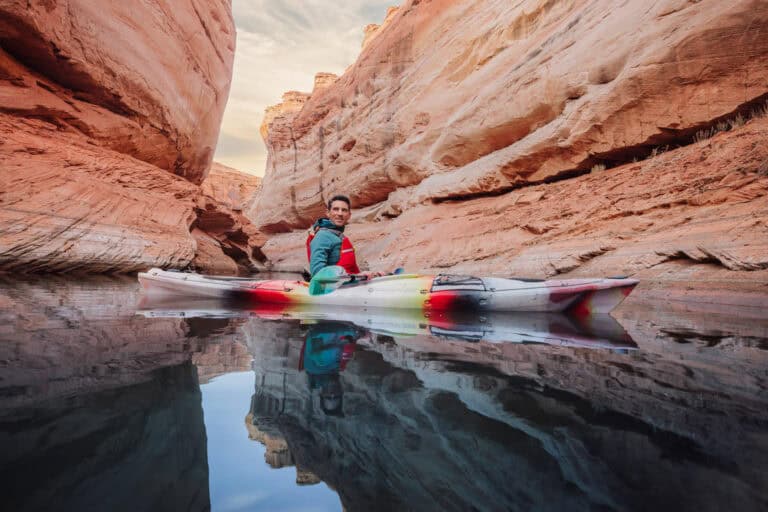
6. Kayak to Antelope Canyon
Best For: Cooling off in the heat!
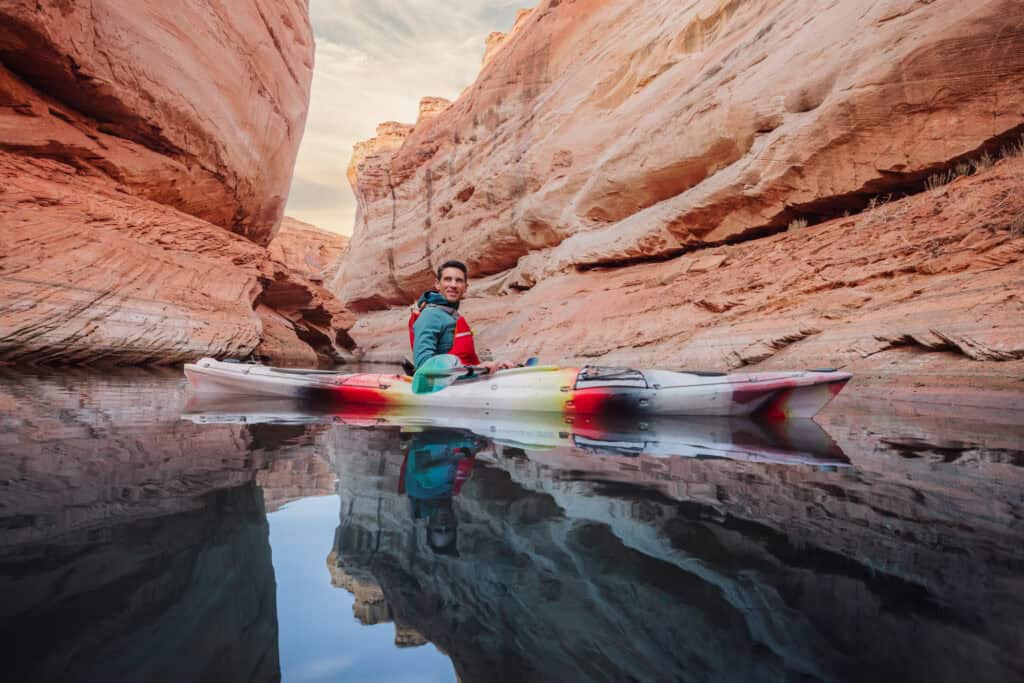
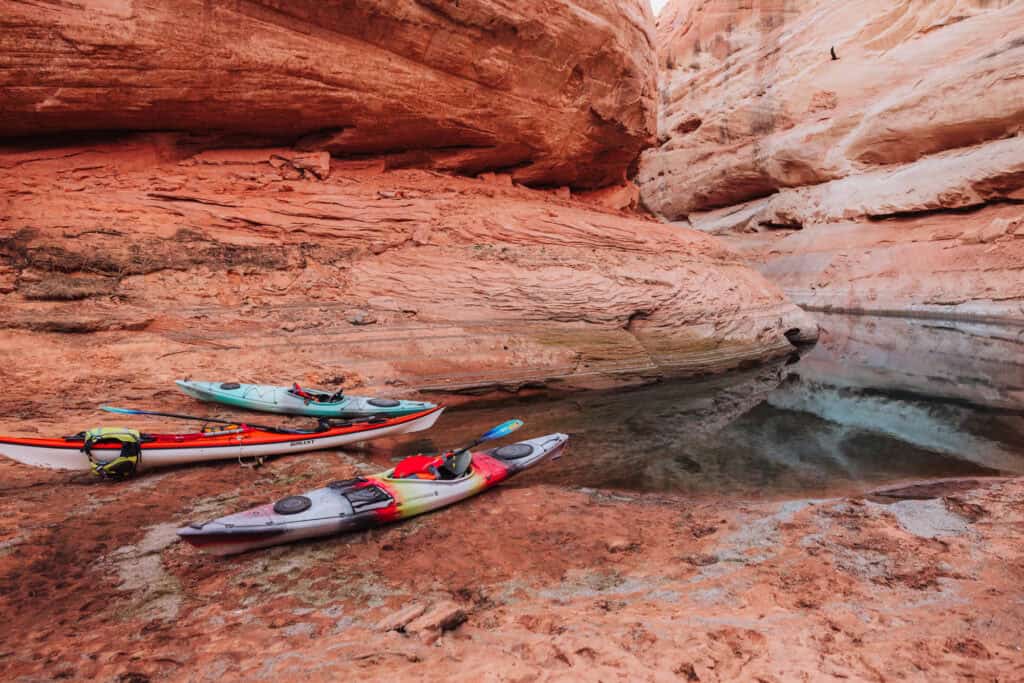
Experience where Antelope Canyon meets Lake Powell by kayaking to the canyon’s end.
What to Expect
- Season: March through October
- Cost: $100-$120
- Distance: 5 miles round trip by kayak, plus hiking into the canyon
- Experience Required: None
Multiple kayak companies offer these tours, combining water and land exploration for a unique perspective on the canyon system.
When to Visit: A Guide to the Weather & Seasons
Understanding Antelope Canyon’s weather patterns is crucial for planning your visit. I’ve been on snowy days and in triple-digit heat, and it’s beautiful on both. The biggest problem in the area is rain, which can trigger flash flood warnings.
Spring (March – May)
Temperature Range: 50°F – 85°F
The weather is mild, but spring break crowds can be big. Book in advance.
For photographers looking for the “beams,” they appear by May (on midday tours).
Summer (June – August): Peak Season
Temperature Range: 65°F – 100°F
Summer brings the most spectacular light beams, especially in Upper Antelope Canyon, visible midday when the sun is highest. It’s crowded in the summer, so book in advance.
Be prepared for extreme heat. Plus, monsoon season begins, bringing the chance of storms. Tours may be canceled on short notice when flash flood warnings are issued.
Fall (September – November): Sweet Spot
Temperature Range: 60°F – 85°F
As monsoon season ends in late September, you get mild temperatures and thinning crowds. By November, there are far fewer people. Pack layers since it’s cold, especially in the mornings!
Winter (December – February)
Temperature Range: 30°F – 50°F
Winter offers the quietest experience at Antelope Canyon, with significantly fewer tourists and lower prices. Tour guides indicate: January and February are the least crowded months.
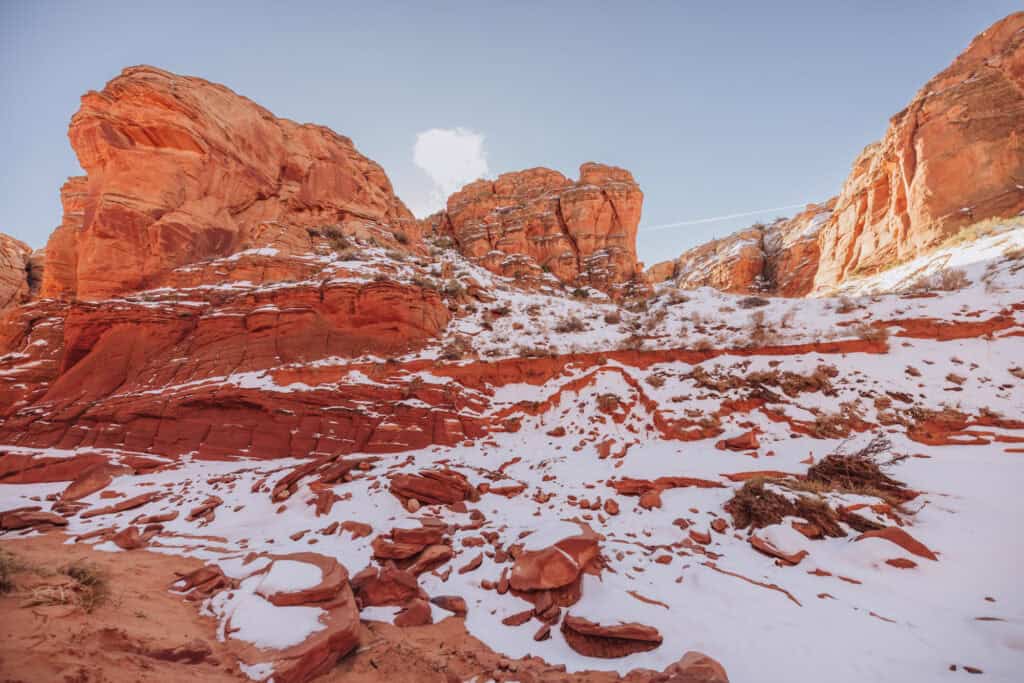
Trade-offs: No light beams occur during the winter months. Snow and freezing temperatures are possible, particularly in December and January.
Nearby Attractions
While in Page, Arizona, consider visiting:
- Horseshoe Bend (10 minutes from Page)
- Lake Powell
- Glen Canyon Dam
- Vermilion Cliffs National Monument
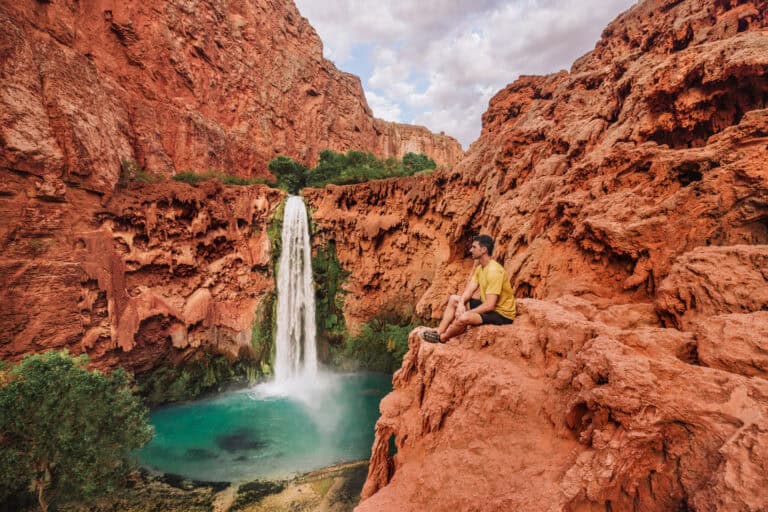
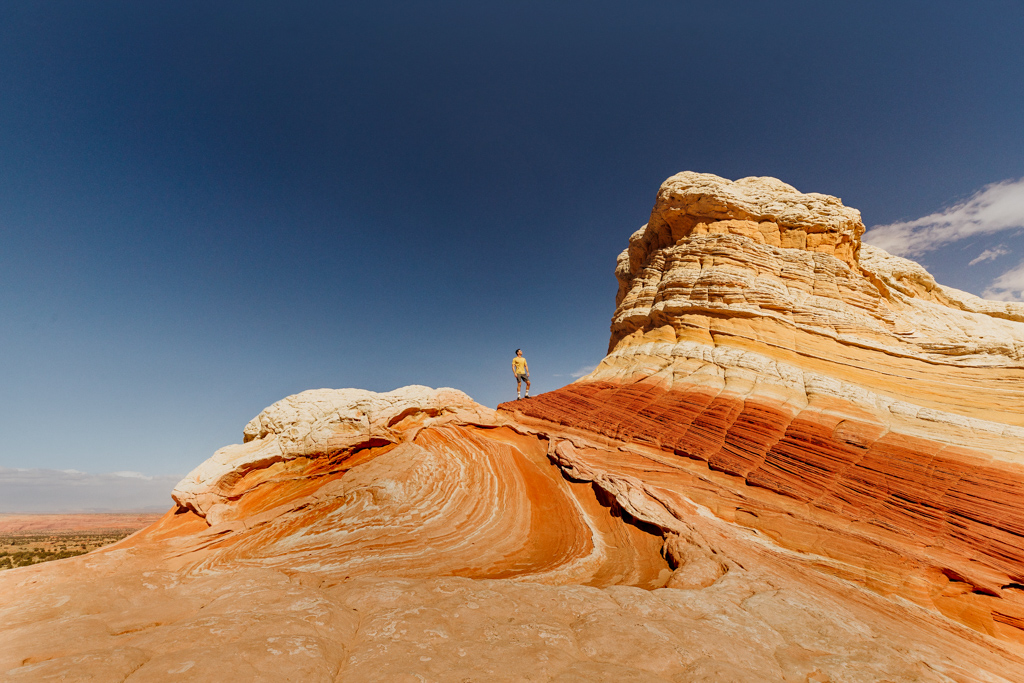
- White Pocket (below)
Which Antelope Canyon Tour is Right for You?
Choose Upper Antelope Canyon if:
- This is your first visit to Antelope Canyon
- You have mobility limitations or young children
- You want the most famous, iconic views
- You prefer easy, flat walking
Choose Lower Antelope Canyon if:
- You’re physically active and comfortable with ladders
- You want more time in the canyon (1 hour vs. 30 minutes)
- You prefer a slightly more adventurous experience
- You’re on a budget
Choose Antelope Canyon X if:
- You want significantly more time (90 minutes)
- You’re interested in serious photography
- You prefer smaller crowds
- You want a balance of accessibility and experience
Choose Cardiac Canyon if:
- You want a profound, immersive experience
- You’re interested in Navajo history and culture
- You want solitude for photography or meditation
- You’re willing to invest in a premium experience
Choose Antelope Ridge if:
- You want adventure and thrills
- You’re comfortable with heights and physical activity
- You want a unique perspective on the canyon
- You can handle rappelling and climbing
Choose Kayak Tours if:
- You want to experience Lake Powell
- You prefer water-based activities
- You want a completely different perspective
- You’re visiting during the warmer months (March-October)
Final Thoughts
No matter which section of Antelope Canyon you choose, you’re in for an unforgettable experience. The swirling sandstone formations, play of light and shadow, and sheer natural beauty make this one of Arizona’s must-see destinations.
Best Times to Avoid Crowds
- Quietest Months: January and February
- Quietest Days: Weekdays are always less crowded than weekends
- Quietest Times: Early morning (first tours) or late afternoon (last tours)
The canyon is constantly evolving as floods wash through, depositing new sand and moving boulders. You might notice significant changes if you visit year after year, making each experience unique.
Book in advance, respect the land and culture, and prepare for the weather conditions. Most importantly, take time to absorb the wonder of this natural masterpiece that took millions of years to create.